About This Webinar
Traumatic brain injury (TBI) is a major cause of death and long-term disability worldwide. Following the primary injury, a cascade of secondary cerebral physiologic derangements (i.e., hypoxia/ischemia, intracranial hypertension, and cerebral edema) can exacerbate brain injury and worsen clinical outcomes. Early detection of these secondary events remains challenging due to the lack of non-invasive, multimodal neuromonitoring tools.
Diffuse optical technologies offer a promising, non-invasive approach for real-time monitoring of cerebral physiology after TBI, potentially enabling individualized, lifesaving interventions. Using a swine model, the presenter and colleagues demonstrated the utility of the technologies in detecting cerebral physiological changes, including alterations in cerebral water content, blood flow and oxygen metabolism.
*** This presentation premiered during the
2025 BioPhotonics Conference. For more information on Photonics Media conferences and summits, visit
events.photonics.com
About the presenter
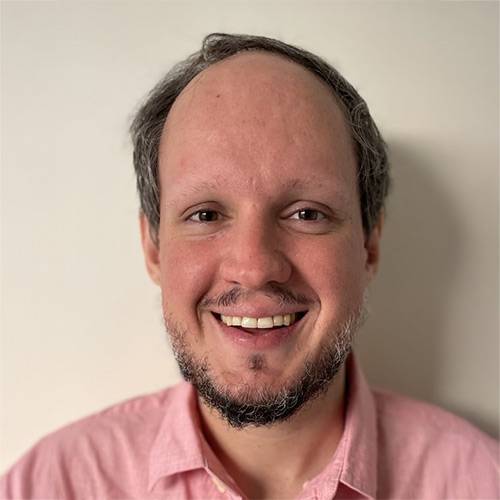
Rodrigo M. Forti, Ph.D., received his doctorate in physics from the University of Campinas in 2020. His research is focused on the development of novel non-invasive neuromonitoring tools to ascertain mechanisms of neurological injury.
Forti is an expert in the development of diffuse optical methods. He is currently developing new diffuse optical methods capable of detecting cerebral physiological impairments after pediatric traumatic brain injury, a leading cause of morbidity and mortality in children.